







Key Takeaways
- Micro breaks at work (pauses of 10 minutes or less) are linked to reduced fatigue and increased vigour across dozens of workplace studies.
- Safe Work Australia flags prolonged, uninterrupted sitting as a genuine health risk, separate from how much you exercise outside work hours.
- A short pause every 20 to 30 minutes beats one long block of deep work when it comes to sustaining energy and focus.
- Micro-breaks and the Pomodoro technique solve different problems: one resets your body, the other manages your attention.
- A sit-stand desk makes it easier to actually take the break, because standing up is the first movement in almost every micro-break protocol.
- What counts as micro breaks at work
Your body starts complaining before your brain admits anything's wrong. Stiff shoulders. A dull ache behind the eyes. That's your cue for a micro break, not a sign you need to push through another hour.
Micro breaks at work are short, deliberate pauses from a task, typically 10 minutes or less, taken throughout the workday rather than saved up for one big lunch break. They're not the same as scrolling your phone mid-task. A genuine microbreak involves stepping away from the screen and, ideally, moving your body.
The idea sounds almost too simple to matter. But the research behind it is solid, and it says something most home offices ignore: how you break matters as much as how you work.
The sitting too long health effects you can actually feel
Sedentary work has crept up on almost everyone who works from a desk. According to Safe Work Australia, sitting for long periods of time is common in Australian workplaces, and the agency is explicit that over 7 hours a day of sedentary behaviour is too much, regardless of how active you are outside work hours. Health problems from sitting too long health researchers have tracked for years don't disappear just because you hit the gym before dinner.
That's the part people miss. You can't out-exercise a full day of uninterrupted sitting. The fix isn't more exercise, it's more frequent movement, in smaller doses, spread across the working day.
Musculoskeletal pain is the most obvious symptom: tight hips, a sore lower back, a neck that clicks when you turn it. But the less visible cost is mental. Long, unbroken stretches at a screen lead to mental fatigue, reduced focus and, over months, they can lead to burnout if nothing changes.

Two studies worth knowing about
The first study: work engagement and end-of-day fatigue
A 2022 study by Radwan and colleagues, published in Cogent Engineering, looked at how frequently office workers paused during demanding tasks. Employees who took microbreaks throughout the day showed higher work engagement and lower end-of-day fatigue than those who ploughed through without stopping. The effect held up even in highly demanding, high-pressure work environments, where you'd expect breaks to feel like a luxury rather than a strategy.
The same body of research points to a workable rhythm: short, active pauses of two to three minutes for every 30 minutes of sedentary work. Not a long break. Not a nap. Just enough to interrupt the pattern before fatigue sets in.
The second study: 22 studies, one consistent result
The strongest evidence comes from a 2022 study published in PLOS ONE, led by researchers reviewing 22 separate workplace studies on the topic. The review found that microbreaks, breaks of 10 minutes or less taken between tasks, were consistently associated with reduced fatigue and increased vigour. Across two studies within that same body of research, the results were significant enough that the authors described micro-breaks as a genuine energy management strategy, not just a nice-to-have.
None of this is complicated science. It's closer to common sense with the numbers to back it up: short pauses between tasks help you refocus, replenish energy and stay focused for the stretch of work still ahead.
Pomodoro vs micro-breaks: which one actually works?
Pomodoro vs micro-breaks isn't really a competition, though people often frame it that way. The Pomodoro method structures your work time into fixed 25-minute blocks followed by a 5-minute break, mostly to manage attention and avoid procrastination.
Micro-breaks are less rigid. They're triggered by how your body feels, not a timer. You might take one every 20 minutes during a demanding task, or stretch it to every 30 minutes during lighter work.
|
Comparison |
Micro-breaks |
Pomodoro |
|
Main purpose |
Support movement and recovery |
Structure focused work |
|
Timing |
Flexible |
Fixed 25-minute work blocks |
|
Break trigger |
How your body feels |
Timer |
|
Typical approach |
Pause every 20–30 minutes |
5-minute break after each work block |
The two aren't mutually exclusive. Plenty of people use Pomodoro to structure their work time and drop micro-breaks in whenever their body sends a signal, sore shoulders, foggy focus, restlessness. Use whichever framework gets you off the chair more often. That's the part that actually matters.
The protocol: how often, how long, what to do
Here's a version that holds up against the research without turning your workday into a stopwatch exercise:
- Frequency: aim for a pause every 20 to 30 minutes during focused or demanding work.
- Duration: keep it to 10 minutes or less. Anything longer than 10 minutes starts to function as a proper break, which is fine, just don't confuse the two.
- Movement: stand up, stretch, walk to the kitchen, do a lap of the hallway. Active breaks office workers can actually stick to beat passive ones, like just staring out the window.
- Mind reset: some people use the pause to practice deep breathing or a minute of mindfulness. Both help lower work-related stress without needing an app subscription.
None of this requires a formal wellness program. It requires noticing when your body needs a break and actually giving it one, instead of pushing through until you hit a wall at 3pm.
Active breaks office workers can build into a real routine
The hardest part of any micro-break routine isn't knowing the science. It's remembering to do it when you're mid-task and the deadline feels closer than your neck pain.
A few things make it easier to actually take the pause:
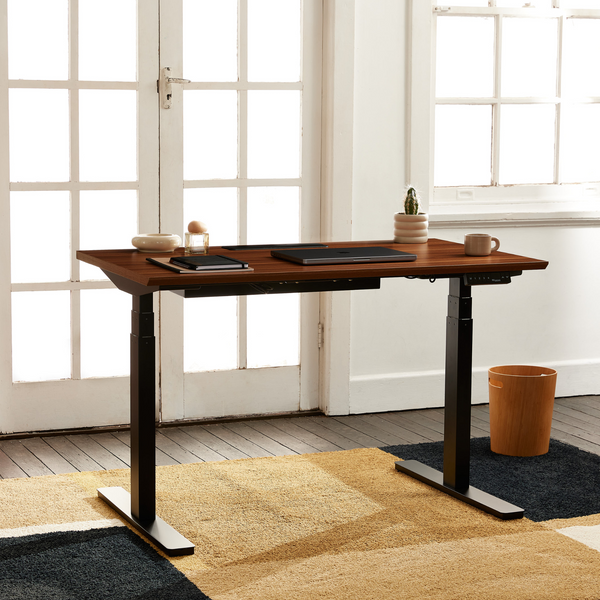
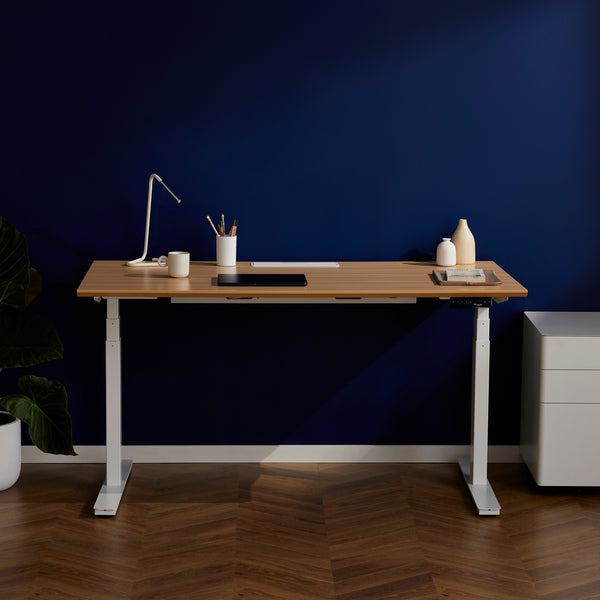
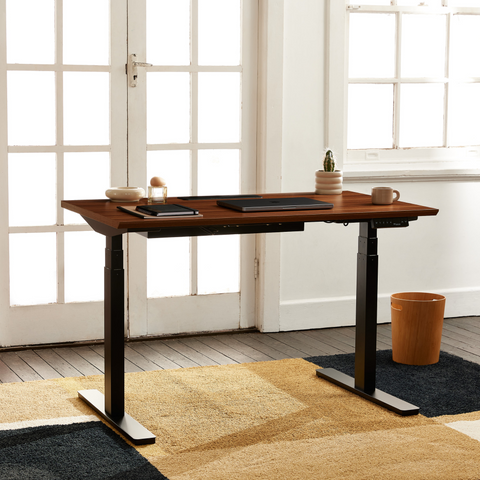
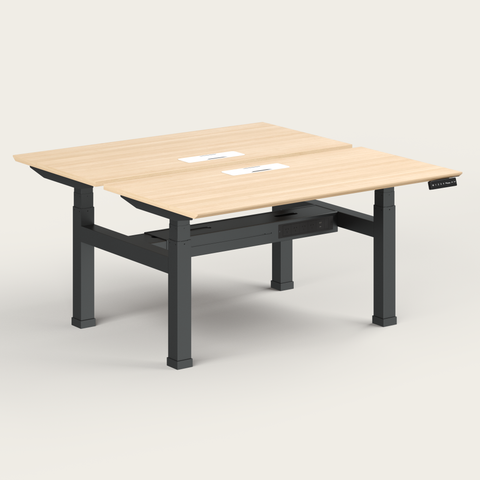
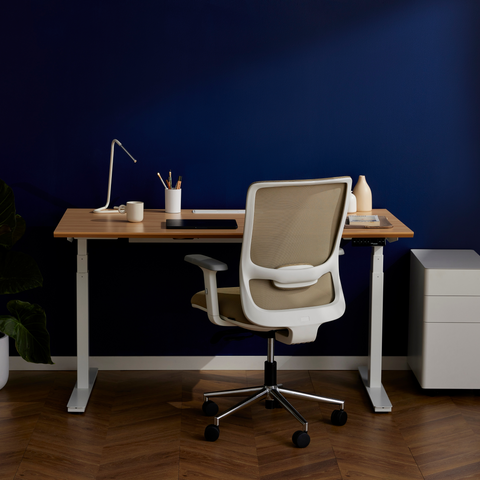
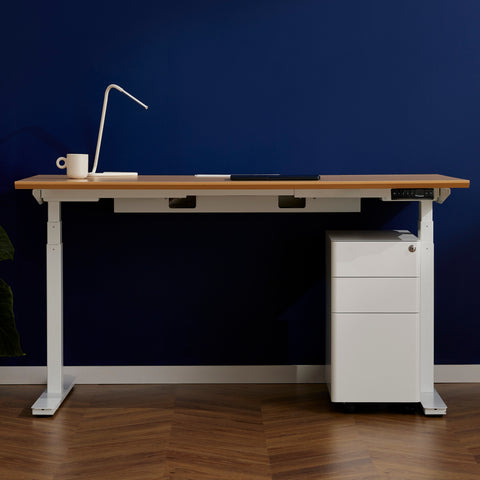
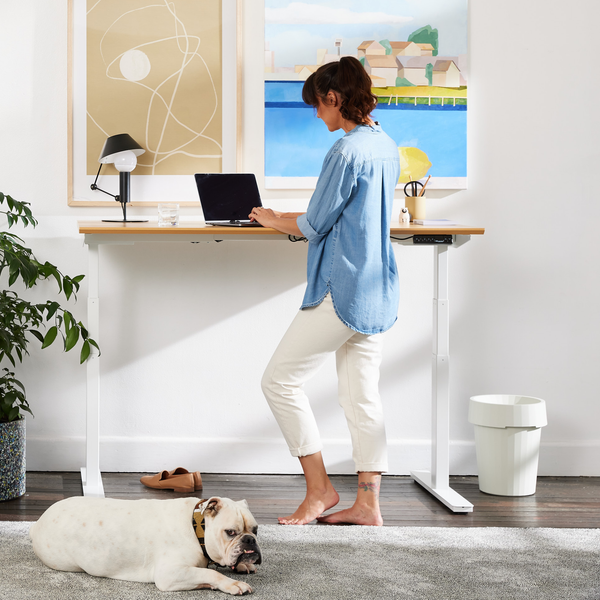
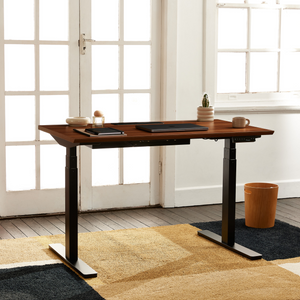
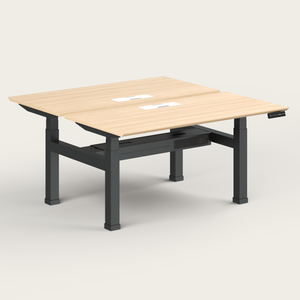
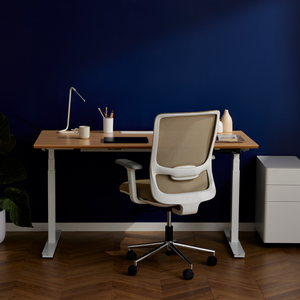
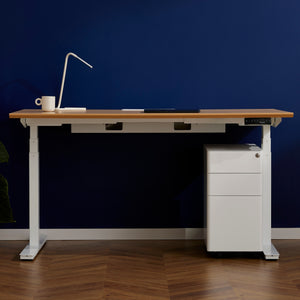
Standing up is the simplest trigger there is. If your setup makes that a genuine option rather than an afterthought, you're more likely to use it. A sit-stand desk turns "time for a micro-break" into a five-second action instead of a decision you have to negotiate with yourself. Recess builds its standing desks around that exact idea: make the healthy option the easy one, not the disciplined one.
If you're not sure how your current setup stacks up, the Standing Desk Ergonomics Guide covers desk height, monitor position and the small adjustments that reduce musculoskeletal strain before it becomes a genuine problem.

Recess also recommends keeping your movement break somewhere separate from your screen entirely, even if it's just the other side of the room. A change of scenery does more for a proper reset than another five minutes at the same desk with your phone in hand.
What micro-breaks can't fix
Micro breaks at work help with fatigue, focus and low-level physical strain. They won't fix a genuinely toxic workload, and they're not a substitute for proper rest, sleep quality, or taking actual leave when you need it. Think of them as maintenance, not repair.
If your job has you sitting for long periods with no autonomy over your schedule, a five-minute stretch every half hour is a good habit, not a solution to a structural problem. Worth naming, because plenty of workplace wellness content pretends otherwise.
FAQs on micro breaks at work
How long should a microbreak be?
Most of the research defines a microbreak as 10 minutes or less. Longer than that, and you're taking a standard break, which is a different, equally useful thing.
How often should I take one during a demanding task?
Every 20 to 30 minutes is the range most studies point to, particularly for highly demanding or highly focused work.
Do micro-breaks actually improve productivity?
The research says yes, indirectly. Micro-breaks help reduce fatigue and support work engagement, both of which feed directly into how effective at work you are for the rest of the day.
What's the simplest micro-break to start with?
Standing up. It sounds too basic to count, but it's the movement most studies use as the baseline active break, and it's the easiest one to build into a workday without planning around it.
Bring the reset into your setup
You don't need a wellness program to take a micro-break. You need a reason to stand up that isn't just habit, and a setup that makes standing an easy option rather than a whole production.
Recess builds home office furniture around exactly that gap between knowing what's good for you and actually doing it. If a sit-stand desk is the missing piece in your own workday, it's worth a look before your next long sitting stretch turns into another sore afternoon.
Ready to upgrade your workspace?
Got questions about the right setup? Chat with the Recess team, we're here to help you get the setup right.
Author Bio

Will Tungusov is the founder of Recess, a Sydney-based sustainable office furniture startup transforming hybrid workplaces across Australia. Since launching in 2019, Will has led Recess from creating the award-winning Nook soundproof booth to offering a complete range of ergonomic, eco-friendly office solutions. With a focus on eliminating middlemen and prioritising sustainability, Recess has served notable high-growth Australian startups, including Eucalyptus, Lorikeet, Instant One and Tracksuit. Will is passionate about building beautiful, functional workspaces that "don't cost the earth," both environmentally and financially.
Follow Recess: LinkedIn | Facebook | Instagram