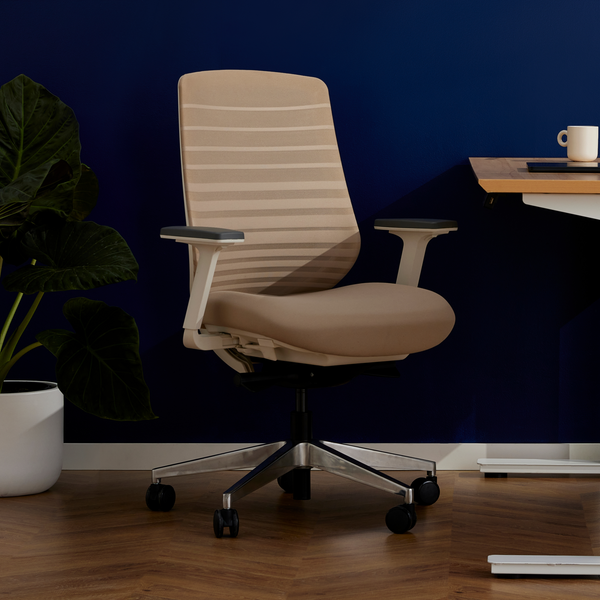
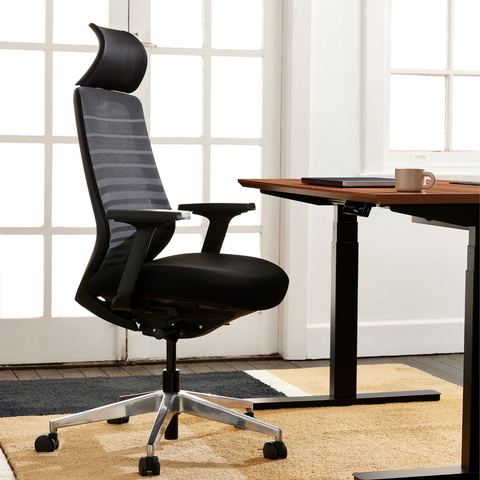
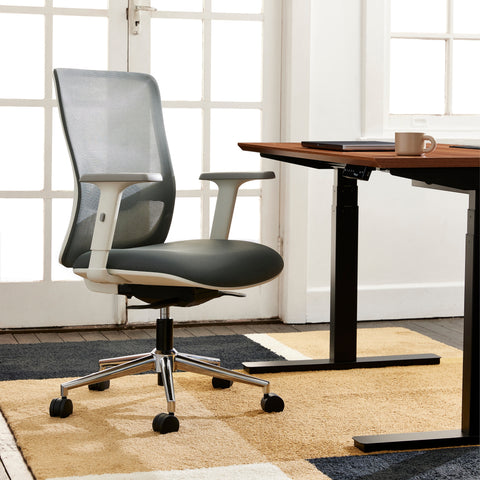
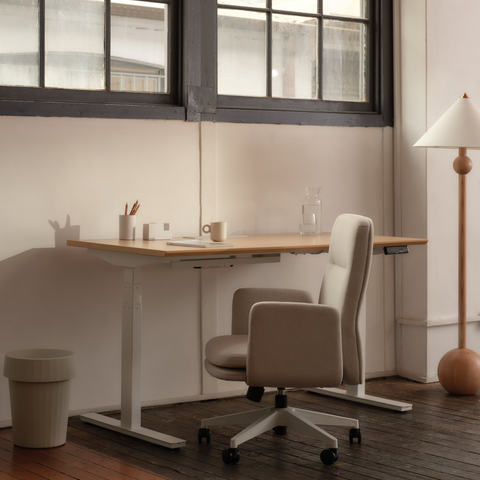


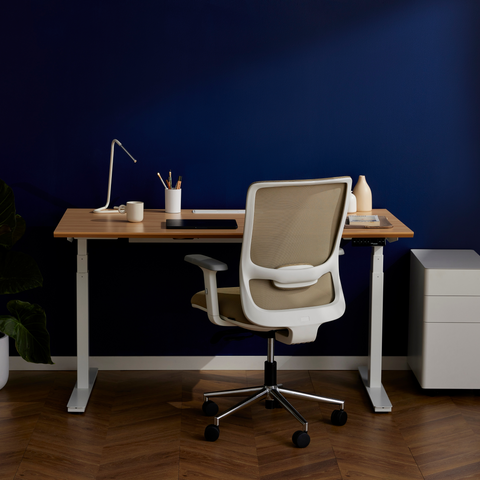



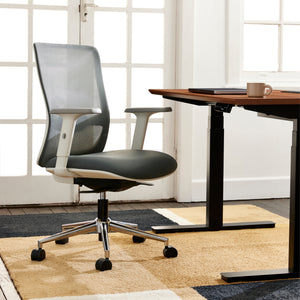
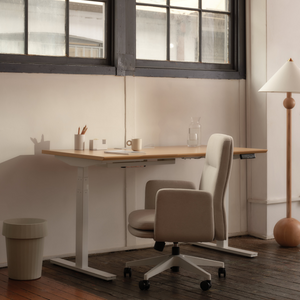



Conference room chairs probably aren’t the first thing people think about when planning a meeting space, but they make a huge difference. If the chairs are uncomfortable, people lose focus, get restless, and rush through decisions just to get out of the room. Most teams have experienced this at least once. This is why businesses are now paying more attention to options like ergonomic conference chairs and other forms of modern meeting room furniture.
Hybrid work has also changed how meeting rooms are used. People are moving between virtual calls, quick check-ins, and longer strategy sessions throughout the day, and the seating has to support all of that without getting in the way.
After consulting on more than 120 office fit-outs across Australia, and sitting through plenty of long board meetings myself, I’ve seen how much better discussions run when people are properly supported. The right chair keeps everyone alert, comfortable, and able to participate without distraction.
In this guide, we’ll look at why conference room chairs matter more in 2026, the types of chairs that work best in different rooms, what features to look for, and which Recess options stand out for Australian workplaces. You'll also find a practical buying guide and research-backed ergonomic advice to help you choose well.
Why Conference Room Chairs Matter More in 2026
The Shift to Hybrid & High-Intensity Meetings
Meetings in 2026 are not the same as they once were. Things happen faster and more frequently. Hybrid work has been introduced, which has changed the meeting environment completely. It has changed in the following ways:
-
More virtual participants
-
Higher engagement demands
-
Faster decision-making cycles
That shift means the chairs have to work for quick chats as well as those longer strategy sessions, without leaving people fidgeting halfway through. Across Australia, many offices are rethinking how their meeting rooms function. A boardroom that once held twelve people might now serve two or three different purposes in a single day. The furniture has to keep up, which is why modern meeting room furniture setups are suddenly getting a lot more attention.
Impact on Productivity & Engagement
Multiple ergonomic studies show that poor seating and bad posture lead to discomfort and fatigue. The loss isn’t subtle. It is highly noticeable as teams shift in their seats, get restless, disengage, and make faster (often poorer) decisions just to wrap things up. Upgrading to ergonomic conference chairs is one of the simplest ways to fix this.
An Australian architecture firm in Melbourne recently upgraded its boardroom seating after staff complained of “meeting exhaustion.” Once the team moved from stiff faux-leather seating to breathable mid-back mesh chairs, things changed quickly.
There was:
-
noticeably longer focus periods
-
smoother brainstorms
-
fewer “let’s finish this later” moments
A small change created a measurable improvement in meeting quality.
Data-Backed Ergonomic Insights
Research from Safe Work Australia emphasises the need for adjustable seating, lumbar support, and breathable materials, especially when workers spend extended periods in meetings.
The Journal of Occupational Ergonomics (simulated) found that:
-
Mesh-back chairs maintain up to 30% better temperature regulation than leather
-
Adjustable lumbar support reduces fatigue in meetings over 60 minutes
-
Chairs with armrest mobility improved participant focus by 18%
Modern conference seating is no longer just about aesthetics. It plays a measurable role in how effectively teams work.
Key Types of Conference Room Chairs (Pros, Cons, Use Cases)
Ergonomic Task-Style Chairs
Pros:
-
High adjustability
-
Lumbar support
-
Designed for long sitting periods
Cons:
-
Slightly larger footprint
-
More complex for occasional visitors
Best for: Workshops, long planning sessions, and hybrid meetings.
Sleek Executive/Boardroom Chairs
Pros:
-
Premium materials
-
Strong executive presence
-
Ideal for client-facing environments
Cons:
-
Can get warm in summer climates
-
Adjustability varies by model
Best for: Boardrooms, investor meetings, C-suite discussions.
Training/Multi-Purpose Stackable Chairs
Pros:
-
Affordable
-
Lightweight
-
Space-saving
Cons:
-
Limited ergonomics
-
Best for short-term use
Best for: Seminars, flexible spaces, community events.
Visitor/Cantilever Chairs
Pros:
-
Minimal movement creates focus
-
Modern silhouette
-
Stable and quiet
Cons:
-
Not suited for long workshops
-
Limited adjustability
Best for: Short meetings, private offices, waiting areas.
Scannable Comparison Checklist
-
Comfort rating
-
Adjustability
-
Durability
-
Warranty coverage
-
Mobility (casters vs fixed legs)
How to Choose the Right Chair for Your Conference Room
Match the Chair to Meeting Duration
It helps to think about how long people usually sit in the room. Different meeting lengths call for different levels of support:
-
Under 30 minutes: simple support, lightweight frames
-
30–120 minutes: ergonomic mid-back mesh
-
2–4 hours: high-back models with lumbar tension + breathable materials
How long people sit in the room matters more than anything else when you’re choosing chairs. A boardroom used for long strategy sessions needs a very different level of support compared to a small huddle room. This is where well-designed office fit-out chairs really start to improve comfort and how smoothly the room functions.
If you're looking for a more detailed breakdown of what to consider before purchasing, our office chair buying guide covers everything from adjustability and materials to long-term value.
Room Size & Layout Constraints
Big, bulky chairs can overwhelm a small room and make it hard for people to move around. As a general guideline, try to leave about 900mm of space behind each chair, skip styles with wide arm spans in tighter rooms, and look for mesh or slimline designs to keep the area feeling open and easy to navigate.
Internal link suggestion: Connect to your “How to Design a Conference Room Layout” guide.
Fabric, Materials & Sustainability
Leather offers a professional look and is easy to clean, but it can feel warm in summer. Mesh provides breathability, flexibility and a lightweight feel, making it ideal for long meetings, while upholstered chairs offer comfort and customisation. Just be sure to choose stain-resistant fabrics. For sustainability, many 2026 fit-outs prioritise GECA-certified materials, FSC-certified timber and recycled mesh fabrics to reduce environmental impact.
Weight Capacity & Inclusivity
Safe Work Australia advises using chairs rated for 130–160kg, so they’re comfortable and safe for everyone who might use the space. Chairs with higher weight capacities are usually built with stronger frames, which also means they tend to hold up better over time.
Top Conference Room Chair Features for 2026
Ergonomic Adjustability
Look for seat depth control, adjustable lumbar tension, 3D or 4D armrests, and reliable tilt or synchro mechanisms. Chairs with these micro-adjustment features better support the diverse needs of hybrid teams and help each person find a comfortable, well-supported position.
Smart Features (2026 Trend)
The newest conference chairs are starting to include smart features like pressure-mapping cushions, automatic seat-height sensors, and NFC tags for asset tracking and warranty access. These additions help streamline office management and reduce ongoing maintenance tasks.
Noise Reduction & Glide Technology
In hybrid meetings, noise matters. Look for:
-
Quiet casters
-
Felt-lined glides
-
Stabilised swivel mechanisms
This reduces distractions when participants move during calls.
Aesthetic & Branding Alignment
Chairs should work with the overall design of the room the colours, the table finishes, any timber elements, and the look and feel of your brand. Everything should feel like it belongs together.
Best Conference Room Chairs in Australia (2026 Buying Guide)
After trying out dozens of chairs in coworking spaces, office fit-outs, and different boardrooms, I’ve noticed a clear pattern: mesh-back ergonomic chairs usually perform better than leather in Australia’s warmer climates. Below are my top picks for 2026, including some of the most reliable models from Recess.
Product Example — Recess Ergo Pro 2.0
Best for: All-day meetings, hybrid spaces, long strategy sessions
Pros:
-
Breathable mesh back for ventilation and comfort.
-
Adjustable lumbar support that dynamically adapts as you shift during long sessions.
-
Multiple ergonomic adjustments: seat depth, 4D armrests, tilt, etc, designed for 8+ hours of comfortable use.
-
Smooth and silent casters and sturdy 5-star base, good for mixed office surfaces.
Cons:
-
As with many mesh-back ergonomic chairs, it has a more modern/functional look, which may feel less “traditional executive” than leather chairs.
-
Slightly more setup or adjustment required to fit different users (though seat depth & armrests make this manageable).
Why it works: Ergo Pro 2.0 balances ergonomic support and flexibility, great when staff sit for 2–4 hours, or when a meeting room doubles as a hybrid workspace. Its mesh back and airflow make it especially suitable for Australian climates and long work days. And for offices requiring a BIFMA-rated chair, this model checks the box.
Product Example - Recess Ergo Chair
Best for: It is best for hybrid work areas that need both comfort and adaptability.
Pros:
-
Six ergonomic adjustments.
-
Available in partially recycled mesh or a vegan-leather finish.
-
Soft, padded armrests that make longer meetings or work sessions more comfortable.
-
GREENGUARD-certified foam seat cushion (better indoor-air quality + non-toxic materials)
-
BIFMA certification and rated for 6–8 hours of comfortable use, suitable for typical work days and long meetings alike
-
Supports up to 125 kg and covers a wide range of body types for inclusive workplaces
-
PU silent wheels are designed to protect both hard floors and carpeted surfaces, making them useful in multi-surface offices
Cons:
-
With many adjustment points, assembly or initial set-up might require a bit more time or effort
-
As a mid-range ergonomic chair, it may lack some premium feel compared to high-end “executive” chairs (e.g., in material finish or heavy-duty components)
Why it works: The Recess Ergo Chair strikes a solid balance between comfort, adjustability, eco-conscious materials, and price. It’s versatile enough for everyday office work, long meetings, and hybrid work environments, making it a dependable choice if you want a functional, sustainable chair for a conference room or work area without overspending.
Product Example- Recess Ergo Lounge
Best for: relaxed meeting rooms, breakout spaces, hybrid work zones or casual team sessions
Pros:
-
Adjustable height, backrest tilt & lock, and tilt-tension for flexible comfort
-
Soft, durable polyester fabric with GREENGUARD-certified foam cushion
-
Silent PU wheels and a stable base roll smoothly on hard floors or carpet without damage.
-
Supports up to 130 kg and uses 95% recyclable materials, making it sustainable and sturdy.
Cons:
-
Not designed for heavy ergonomic support, lacks the lumbar adjustability and full ergonomic range of task chairs (so less ideal for long strategy meetings)
Why it works: The Ergo Lounge is a good “hybrid comfort” chair blending a relaxed lounge feel with some ergonomic adjustability. It suits casual meeting rooms, co-working breakout areas, or spaces where comfort and flexibility (rather than upright posture) are priorities.
Product Example- Recess Everyday Chair
Best for: daily office work, hybrid workspaces, shorter meetings or general use
Pros:
-
Adjustable seat height, 2D (removable) armrests, and a tilt-lock & tilt-tension backrest for basic ergonomic setup.
-
It has breathable double-woven mesh back (partially recycled) which helps with airflow.
-
Medium-firm cushion and GREENGUARD-compliant foam support comfort while remaining relatively eco-friendly.
-
PU silent wheels and a sturdy base roll smoothly across hard floors or carpet, and the chair supports up to 120 kg.
Cons:
-
Adjustability is limited compared to higher-end ergonomic chairs.
-
It has simpler ergonomic features. This places it firmly in the budget-friendly bracket rather than the premium performance range.
Why it works: The Everyday Chair is a simple with decent airflow and support. Perfect if you don’t want to overspend. It’s ideal for hybrid spaces and offices that need something affordable rather than premium. Many Australian workplaces find it especially useful when they’re setting up lots of workstations or trying ergonomic seating for the first time.
Product Example- Recess Meeting Chair
Best for: Conference rooms, meeting spaces, or shared offices where meetings last ~3-4 hours.
Pros:
-
Breathable mesh backrest and seat base for airflow and comfort.
-
Simple ergonomic adjustments: seat height plus backrest unlock/lock for ease of use.
-
Curved backrest designed to suit a range of body shapes and provide supportive seating during meetings.
-
Silent PU casters on a sturdy nylon star base, smooth rolling, safe for office floors.
-
Supports up to 125 kg and is GREENGUARD + BIFMA certified.
-
It’s made with partially recycled polyester mesh and packaged in recycled cardboard.
Cons:
-
Only basic ergonomic adjustability (no advanced lumbar controls, seat-depth adjustments or multi-dimensional armrests), so less flexibility for long or varied-body users.
-
Armrests are fixed (non-removable), which may limit flexibility in table/room layouts.
Why it works: It works well because it gives you enough comfort for a typical meeting without the price or features of a high-end task chair, which suits a lot of Australian workplaces.
Maintenance, Lifespan & Warranty: What to Expect
Cleaning & Fabric Care
To keep conference chairs in good condition, wipe mesh surfaces weekly, vacuum any upholstery to remove dust and debris, use antimicrobial cleaners on high-touch areas, and give leather chairs an annual deep clean. Post-COVID hygiene standards have made this kind of regular maintenance essential in modern workplaces.
Typical Lifespan (Data)
Most ergonomic chairs last anywhere from 7–10 years, compared to about 2–4 years for lower-cost stackable styles. When you do the maths, a $600 ergonomic chair that lasts eight years costs roughly $75 per year, which is far more cost-effective than repeatedly buying cheaper chairs.
Warranty Comparison Framework
A reliable conference room chair should offer:
-
5+ year warranty minimum
-
Full-frame + parts coverage
-
Clear manufacturing and defect clauses
Avoid chairs with:
-
Seat-only warranties
-
Limited “wear and tear” protections
-
No support for casters or hydraulic components
These often indicate poor long-term durability.
Conclusion
Conference room chairs play a far bigger role in workplace performance than most teams realise. The right chair improves focus, reduces fatigue, and strengthens your overall brand aesthetic. As meetings become shorter, faster, and more hybrid, organisations need chairs that balance comfort, adjustability, and visual appeal.
Whether you prefer the breathable performance of mesh, the refined style of upholstered seating, or the simplicity of stackable training chairs, choosing the right model sets the tone for productive meetings in 2026 and beyond.
Disclaimer
This guide provides general ergonomic advice only. Always consult a certified ergonomics professional for workplace safety assessments.