






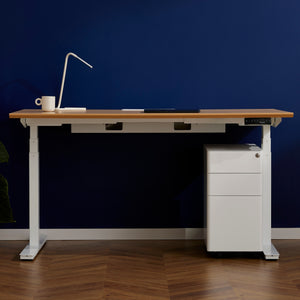
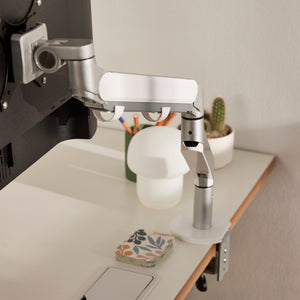

Planning a meeting space can feel deceptively simple. A table, a few chairs, and you’re supposedly done. But you’ve probably sat in that meeting before, where, aside from stressing over what the meeting was about, the room itself just felt uncomfortable.
Maybe participants sit too far apart, or tech cables snake across the table, or someone’s back is to the screen.
That’s not the experience you want for your team. You want the space to feel easy to use, comfortable to sit in, and arranged so everyone can work together without friction.
If you're browsing meeting table ideas right now, it's probably because the first piece of furniture you pictured for your meeting room was the conference table, and you already know it can’t be just any table.
In this article, we’re going to go through different meeting table ideas so you can decide what’s the best one for your team.
Does Table Design Really Matter?
What kinds of meetings happen most often in your space? Does your team need room for whiteboarding, video calls, or casual huddles? How does the space actually feel during a real meeting? Is it relaxed, cramped, or collaborative?
These small details can actually influence how your team members talk, work together, and feel included during discussions.
For example, in a hybrid workplace where there are both in-office and remote employees, the right conference room layout ensures that meeting participants, whether in the room or on screen, can take part fully. Poor layouts can lead to people “tuning out” when they can’t see or hear clearly.
In fact, an Owl Labs research found that 38% of remote workers say they feel left out during hybrid meetings, often due to room layouts, camera placement, and poor visibility of in-room participants.
So before you pick a surface, think about how your team works: Do they need space for sketching ideas? Room for multiple devices? Areas for breakout discussions?
Each type of meeting calls for a slightly different table design and layout.
Which Meeting Table Suits Your Team the Most?
A table that works well for quick team check-ins may fall short during longer strategy sessions or hybrid calls. Understanding your primary use case helps avoid layouts that feel awkward or restricting.
Small Teams and Huddle Rooms
If you always have people sprinting through design reviews or planning sessions, you’d want energy, eye contact, and no one feeling left out.
Try these ideas:
-
Round or square tables: everyone can see and talk to each other easily. Great for huddles and quick check-ins.
-
Space-saving design: takes up less space so the room feels open and moving around is effortless.
-
Mixed-use surfaces: having small whiteboards or writable tabletops nearby makes it easy to jot down ideas as they come up.
Collaborative & Creative Workspaces
If your team spends hours in brainstorming sessions, strategy workshops, or project kickoffs, a static table just won’t cut it. You need a setup that moves and adapts as quickly as you do.
Try these ideas:
-
Modular tables: you can join, separate, or rearrange them for boards, clusters, or open plan workshops.
-
Creativity zones: pair tables with movable whiteboards and tackable surfaces. Add pops of color or greenery to spark inspiration.
-
Tech-friendly layouts: make room for laptops, screens, and shared tools, but without cables scattered everywhere.
Hybrid & Casual Meeting Areas
Not every meeting needs four walls and formal chairs. Some of the best ideas come when people can just gather casually.
Try these ideas:
-
Standing or high tables: perfect for short, informal conversations. Something like a quick 10-15 minute catch-up.
-
Casual nooks: soft seating paired with a small round table makes room for impromptu problem-solving without scheduling a formal meeting.
-
Tech integration: power outlets, wireless screens, and clear audio keep everyone connected, both in the room and online.
How Table Shape Affects the Way People Interact
The shape of your meeting table does more than just fill a room, it actually directs how people talk and work together.
A 2024 study led by Australian universities including the University of Melbourne and the University of Sydney finds that the shape of desks and tables influences how workspaces are used over time, with different configurations showing statistically significant differences in how people occupy and interact within a space.
The “best table shape” actually depends on the kind of behaviour you want to encourage in the room.
Rectangular Tables
Rectangular tables are a classic choice because they guide structured, focused meetings. They work best when:
-
There’s a facilitator or host
-
Presentation tools are at one end
-
Meetings combine discussion with whiteboarding or note-taking
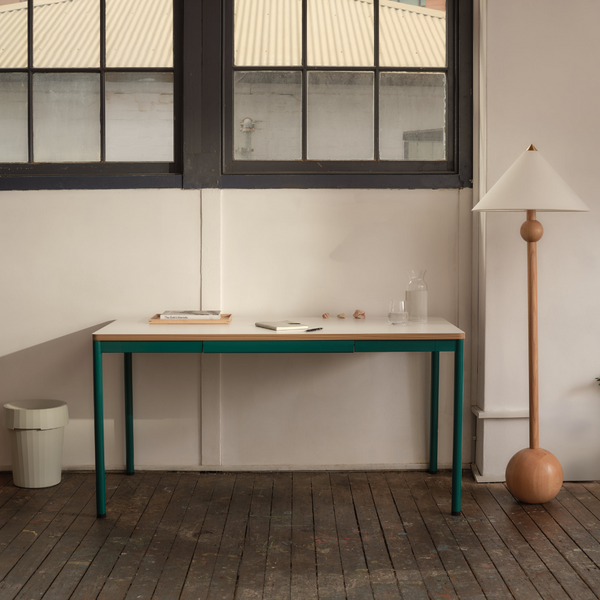
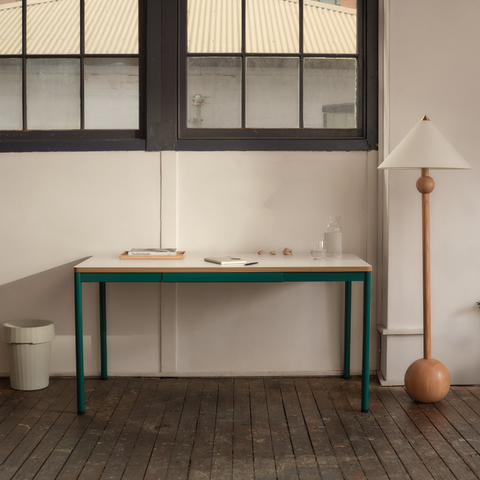
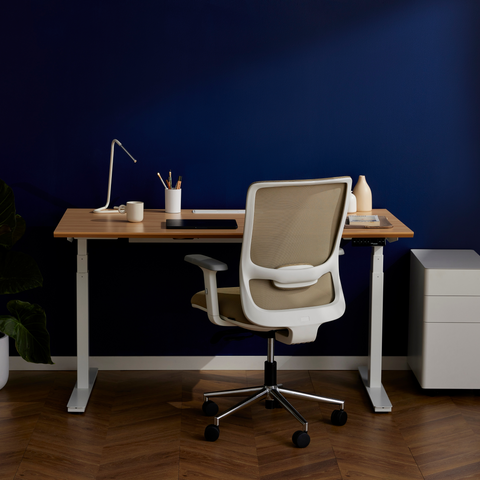
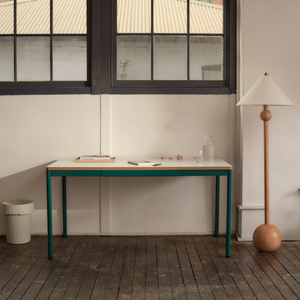
This setup encourages organised, top-down conversation. People naturally look to the host and follow a clear agenda. You’ll often see rectangular tables in weekly team check-ins or cross-department meetings. A great example is this meeting table from Recess.
Round & Oval Tables
Round or oval shapes remove “corners,” literally and figuratively. They encourage open communication where no seat feels more important than another. They work best for:
-
Creative brainstorming sessions
-
Team wrap-ups
-
Collaborative decision making
This setup encourages shared ownership, where everyone naturally feels included and heard.
Modular and Configurable Tables
The modern office is not fixed anymore. Gone are the days when you needed four separate rooms for four different types of activities, or when designers had to spread that big roll of sheet on the floor just to be able to see their whole work. Flexible workspaces now allow modular components that can be changed according to:
-
Workshops that increase or decrease their number of participants
-
Unexpected grouping of people for discussions
-
Grouping of people for simultaneous discussions and presentations
This is ideal for different meeting types where the duration and group size are unpredictable.
What Table Materials Feel Best for Your Space
After deciding about the shape and layout of your table, consider how you want it to feel.
-
Wooden veneer tops radiate warmth and approachability which is a great choice for creative teams or client-facing areas.
-
Laminate finishes have a polished, modern look that can be mixed with different styles without overwhelming the space.
-
Metal or glass accents add a touch of modernity and will pair well with either a minimalist or a tech-forward vibe.
Whatever you choose, it’s best for it to reflect your brand’s personality and how people work together, whether you are aiming for relaxed collaboration or a more polished, professional setting.
For more ideas on different table materials and options, you can explore our wide range of meeting and collaborative workspace tables here.
Room Size and Table Placement
The way you balance tables with the room size actually influences how the space will be used by people.
Small Rooms (2-4 People)
In smaller rooms, comfort matters more than squeezing everything in. You want clear walkways, a good view of the screen, and enough space for notebooks or laptops.
-
Choose compact meeting tables.
-
Avoid oversized designs that take over the room.
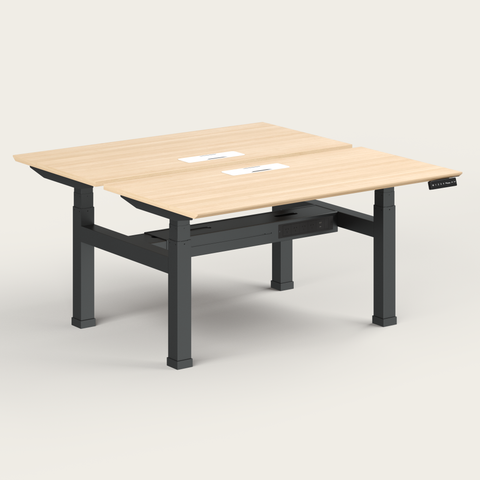
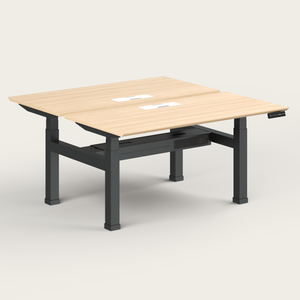
For inspiration, take a look at this scratch-resistant quad desk, perfect for group work while staying easy to maintain.
Medium Rooms (5-8 People)
These rooms usually need to support both discussions and presentations. The layout should make it easy to talk while everyone can still see the screen.
-
Tables should be selected for their balance of seating capacity versus visibility. Rectangular or boat-shaped tables work well in this type of arrangement.
-
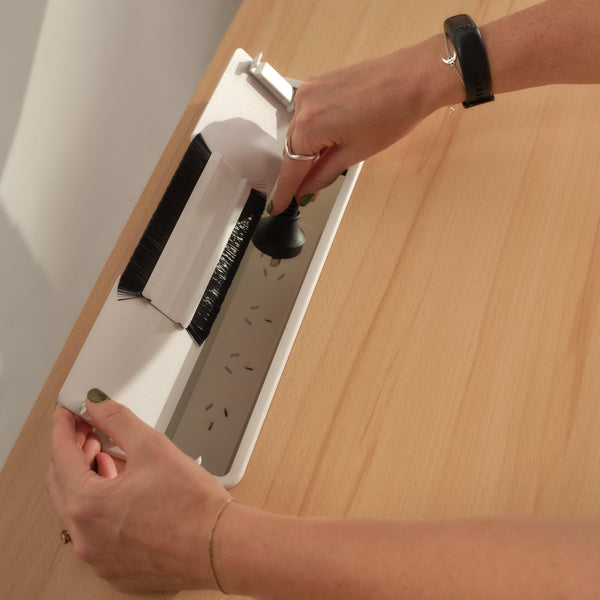
Consider cable management systems like built-in power/data ports or hidden channels that keep devices charged without messy cables across the surface.
Check out this 6-seat desk that comes with power and cabling features.
Large Shared Meeting Spaces
When the area is large, resist the temptation to fill it with one giant table. Instead:
-
Create different zones (huddle, presentation, breakout).
-
Use grouping of furniture to indicate areas without the need for walls.
If you do need formal, executive-level sizes and specs, our Boardroom Tables guide goes into that in great detail.
How to Make Your Meeting Tables Feel Modern and Forward-Thinking
Here are some ideas to keep your setup fresh and functional:
-
Tech-ready tables: Built-in power outlets, USB ports, wireless casting, and video conferencing tools make it easy for hybrid teams to join in equally.
-
Sustainable design: Choose materials and finishes that last, look good over time, and reduce waste
-
Multi-purpose use: Tables that double as whiteboards or planning stations give your space more flexibility and enhance collaboration and productivity.
These approaches reflect broader trends in workspaces today, where flexibility, comfort, and sustainability all help teams collaborate better and feel more productive.
Quick DIY Meeting Table Ideas
Want to get creative without building everything from scratch? Here are some easy ways to make your meeting space feel thoughtful and functional:
-
Repurpose existing desks: Larger desks can be grouped or repositioned to create collaborative tables, perfect for co-working spaces or startups on a budget.
-
Mix and match styles carefully: Combine different table styles but keep seating consistent so the space feels intentional, balanced, and still keep that professional feel.
-
Add finishing touches: Use lighting, area rugs, or plants to define zones and make the room feel welcoming, all without the need for a major construction.
-
Think about usability: Arrange tables so people can move easily, see screens, and access power outlets if needed. Small adjustments like this make a big difference in comfort and productivity.
These simple tweaks help you design with purpose, turning a room full of furniture into a space where people actually want to meet.
Wrap-Up: Make Your Meeting Spaces Work For You, Not Against You
As we now know, a meeting table is more than just a piece of furniture in your office. It’s where you actually gather to share ideas and get important tasks done.
Here’s a few takeaways to to help you choose the best meeting table setup for your team:
-
Think about how people move: Make sure everyone can get in, out, and around the table easily. Clear paths make meetings feel effortless.
-
Match table to the meeting: Quick huddles? Go round or square. Brainstorming sessions? Try modular or oval tables. Hybrid calls? Make sure screens and tech are easy for everyone to see and use.
-
Keep comfort and usability front of mind: Power outlets, cable management, and enough elbow room aren’t extras, they keep people engaged and productive.
-
Add small touches that matter: Lighting, rugs, plants, or writable surfaces can define zones, spark ideas, and make the room feel inviting.
-
Plan for change: Choose flexible, durable tables that can adapt as your team, technology, or meeting style evolves.
And if you're setting up more than one meeting room, you might find it easier to establish one solid setup and replicate it across spaces. People appreciate the familiarity, and you'll appreciate not having to reinvent the wheel each time. Plus, ordering in bulk typically saves time coordinating deliveries and often gets volume pricing that makes the whole project more budget-friendly.
Start thinking about your table, layout, and little details now, you’ll be amazed how much it changes the way your team collaborates.
Upgrade Your Workspace with Recess
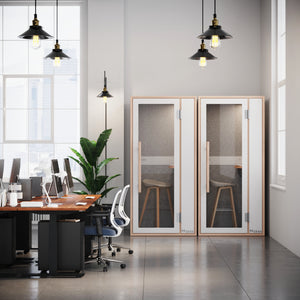
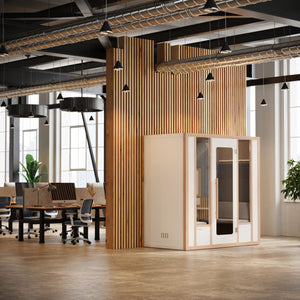
Looking for better office comfort and productivity? You'll love the premium ergonomic furniture and soundproof office booths from Recess. Explore a collection of sustainably crafted desks, chairs, and acoustic pods that are designed to create healthier, happier workspaces that scale with your growing team.
Everything's Australian-designed with fast delivery and a lifetime warranty. Recess helps businesses of all sizes build workspaces that are not just functional, but genuinely more inspiring. Ready to transform your office? Visit Recess or contact our team for smarter workspace solutions.
Author Bio

Will Tungusov is the founder of Recess, a Sydney-based sustainable office furniture startup transforming hybrid workplaces across Australia. Since launching in 2019, Will has led Recess from creating the award-winning Nook soundproof booth to offering a complete range of ergonomic, eco-friendly office solutions. With a focus on eliminating middlemen and prioritising sustainability, Recess has served notable high growth Australian startups including Eucalyptus, Lorikeet, Instant One and Tracksuit. Will is passionate about building beautiful, functional workspaces that "don't cost the earth," both environmentally and financially.
Follow Recess: LinkedIn | Facebook | Instagram