







Key Takeaways
- Office chairs split by the job they do: task, executive, meeting, visitor and lounge.
- Choosing between a task chair and an executive chair comes down to hours in the seat, not how senior the person sitting in it is.
- Meeting rooms and visitor spots need chairs that stack, roll away or fold, rather than ones with every adjustment lever going.
- Recess makes 3 chairs and they cover 3 different jobs: the Ergo Chair for daily desk work, the Ergo Pro 2.0 for longer days and taller frames, the Ergo Lounge for breakout corners.
- Match the chair to the task first, then worry about upholstery, colour and how it looks in photos.
- If you've ever stood in a chair aisle wondering why one seat costs $250 and another costs $1,200, you're not alone. Understanding the types of office chairs on the market, and what each one is built to do, saves you from buying the wrong chair for the wrong job (and then buying it again 6 months later).
This is a function-first guide for anyone kitting out a home office, a growing team's HQ, or a mixed-use space that has to work for founders, visitors and everyone in between.
The types of office chairs, sorted by job not price
Most buyers shop by budget or by looks. Start instead with what the seat has to survive.
There are 5 broad office chair categories worth knowing:
- Task chairs: for heads-down, long-hours desk work.
- Executive chairs: for heavy daily use, usually in a private office.
- Meeting or conference chairs: for shared rooms, used for an hour at a time.
- Visitor chairs: for short stays, low adjustability, easy to store.
- Lounge chairs: for breakout zones, calls and casual work.
Each type trades off adjustability, cost and footprint differently. Get the category right first, then pick the specific model.
Task chair vs executive chair: the everyday debate
This is the comparison most buyers actually need, because it's the one that affects daily comfort.
A task chair is built for someone sitting at a desk for long hours, day after day. It needs proper lumbar support, a seat height that adjusts to fit different body types, and armrests that move out of the way of a keyboard. A well-built mesh office chair with a breathable back, adjustable arms and a seat pan that doesn't dig into the back of your knees covers most people. This is the standard office chair category, and it's where most of your budget should go if you're at a desk 6+ hours a day.
An executive chair is the bigger, padded cousin: leather or faux leather upholstery, a taller backrest, sometimes a headrest. It looks the part in a private office or on a video call, and it usually costs more. Padding and leather don't automatically mean better ergonomics. Plenty of high-end chairs in this category skimp on the adjustable features that actually protect your spine and pelvis over long hours.
One useful test at the showroom: count the adjustment points before you count the cushions. A chair with 6 to 8 independent adjustments will do more for your back across a working week than a thick foam seat with a single height lever.
Which Recess chair does which job
Recess builds 3 chairs, and each one is aimed at a different length of sitting. Here's what actually separates them.
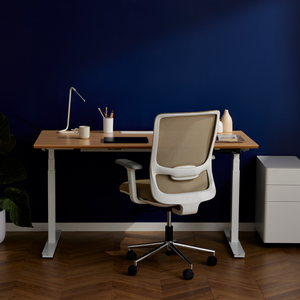
Ergo Chair: the everyday desk chair
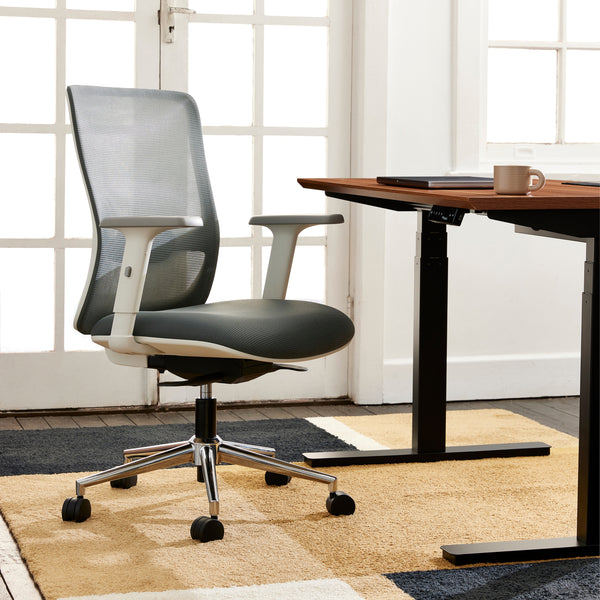
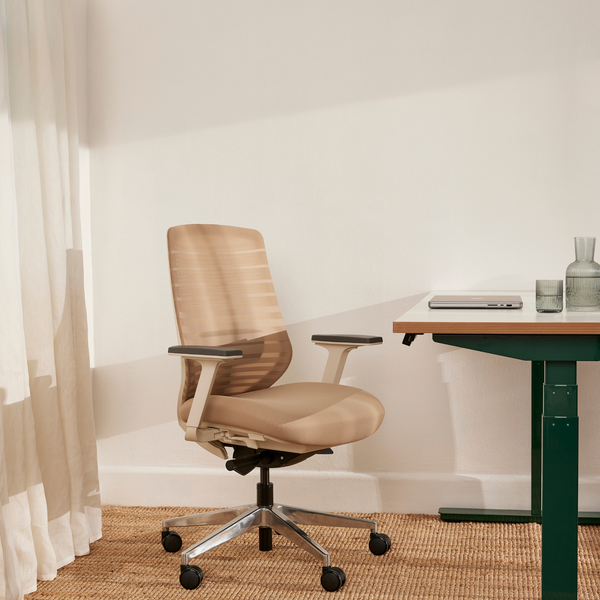
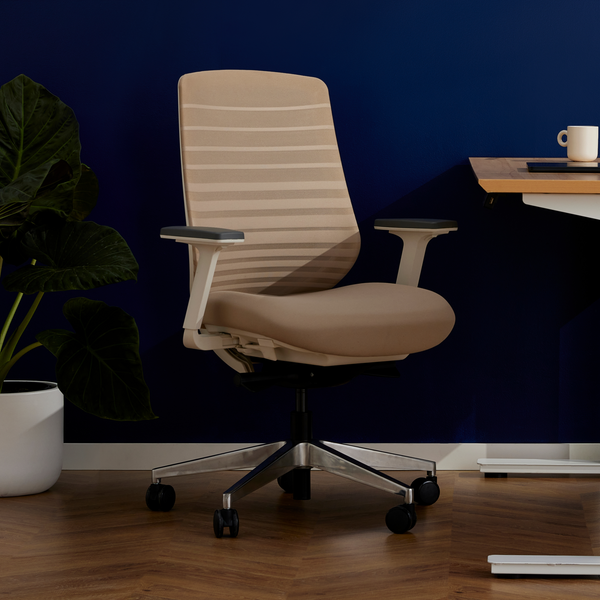
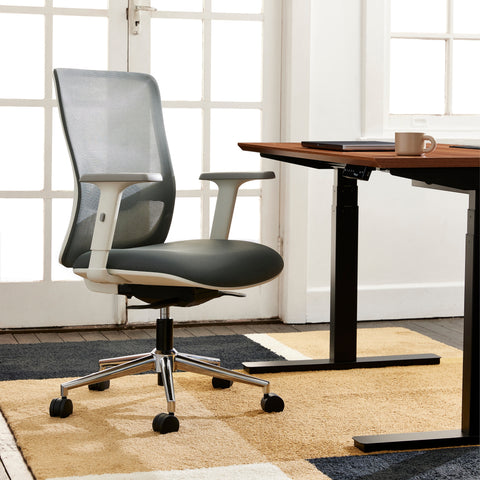
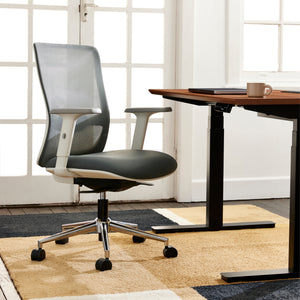
The Ergo Chair is the one to look at if you're setting up a single desk and want the adjustments that matter without paying for bulk you won't use. It has 6 ergonomic adjustments, including rotating lumbar support you can turn to match the curve of your spine, a sliding seat pan (47cm to 52cm of depth) and armrests that move between 16cm and 23cm above the seat. Seat height runs 43cm to 53cm.
It's BIFMA certified and rated for 6 to 8 hours of comfortable work, which is an honest way of saying it's built for a normal working day. Choose between a partially recycled polyester mesh back or a vegan leather skin, and it's rated to support up to 125kg.
Worth knowing before you buy: there's no seat tilt function yet, and the lumbar support is subtle rather than assertive. If you want a firmer, more obvious push in the lower back, look at the Ergo Pro 2.0.

Ergo Pro 2.0: for longer days, taller frames and standing desks
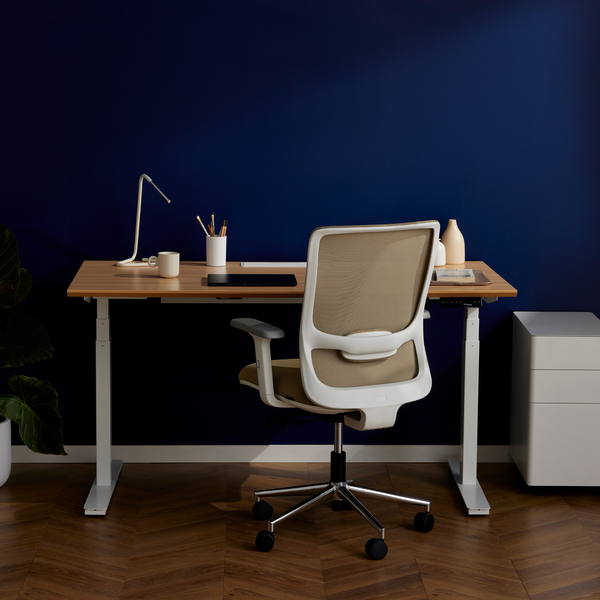
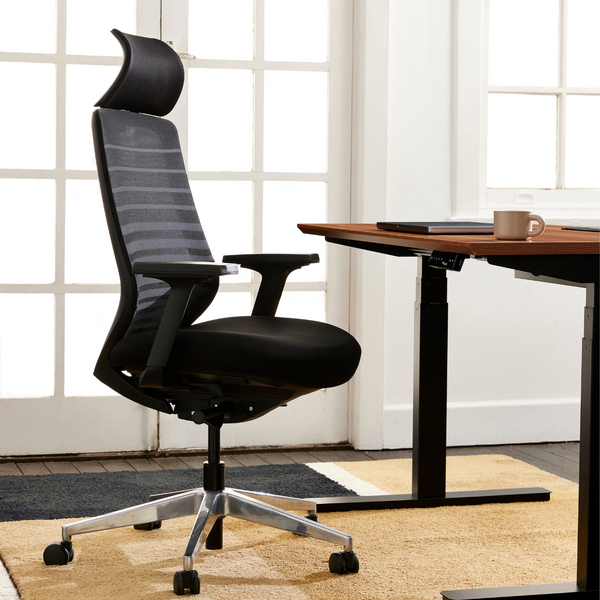
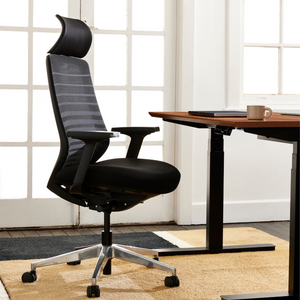
The Ergo Pro 2.0 is the step up, and the differences are measurable rather than cosmetic. It has 8 adjustments instead of 6, 4D armrests that move up, down, in, out, forward and back, and two-way adjustable lumbar support that keeps working as you shift position through the day.
The number most buyers miss is seat height. The Ergo Pro 2.0 runs 44cm to 56cm, against 43cm to 53cm on the Ergo Chair. That extra 3cm at the top is what lets it work at a standing desk in its lowered position, and what makes it fit anyone over roughly 185cm. Weight rating goes to 130kg, and it's rated for 8+ hours rather than 6 to 8.
The optional headrest is genuinely optional. Recess's own advice is to skip it if you're under about 173cm, and it earns its place mainly when you're working across 2 screens and need your neck supported while you look up.

Choosing between the 2: if you're at a fixed-height desk for around 6 hours a day and you're average height, the Ergo Chair is enough chair. If you're taller, heavier, at the desk 8+ hours, or pairing it with a standing desk, the Ergo Pro 2.0 is the one that will still fit you in 2 years.
Meeting chair vs task chair: what changes in the boardroom
A meeting chair vs task chair comparison comes down to duration and repetition. You sit in a meeting chair for an hour at a time, a handful of times a week. You sit in a task chair for most of your working day, every day.
That difference changes what actually matters. Conference chairs and conference room chairs don't need the same depth of adjustment as a desk chair. They do need to stack or roll away cleanly, since most meeting rooms double as multipurpose spaces. Stacking chairs are common here for exactly that reason: they clear a room fast when you need the floor for something else.
We've gone deeper on this in our guide to conference room chairs, including sizing for smaller meeting rooms and how many chairs you actually need per seat at the table.
Visitor chairs: short-stay seating done properly
A visitor chair is for the person who's in your space for twenty minutes, not eight hours. Think reception areas, quick client sit-downs, or the spare seat next to a desk.
Keep this simple. Armless chairs are common here because they're easier to slide in and out of tight spots. A basic folding chair or a simple stacking design covers most visitor needs without eating into your furniture budget. You don't need lumbar support or seat height adjustment for a chair someone sits in once a fortnight, so this is where cheaper chairs and budget chairs genuinely make sense, rather than a compromise.
Lounge office chair: the breakout and think-space seat
A lounge office chair fills the gap between a proper desk chair and a sofa. It's for the call you take with your laptop half-closed, the quick read, or the change of scenery when your desk chair has had enough of you for the day.
It gives your body a second position for part of the day, which matters more than people expect if you're working from home with 1 desk and 1 chair.
Ergo Lounge: the breakout corner and second-seat option
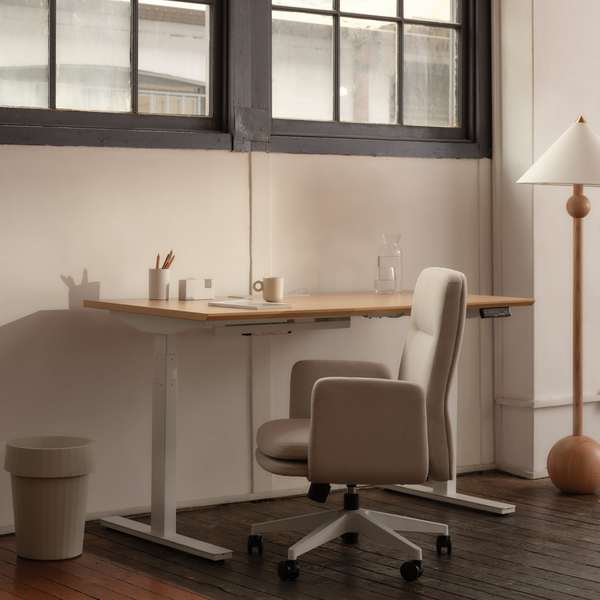
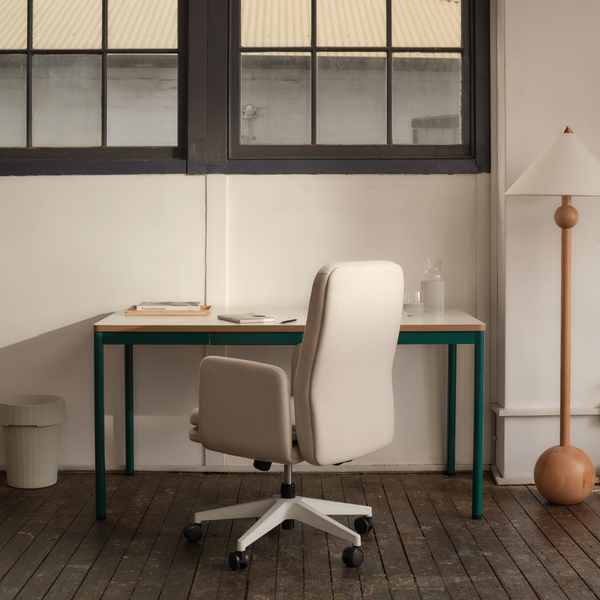
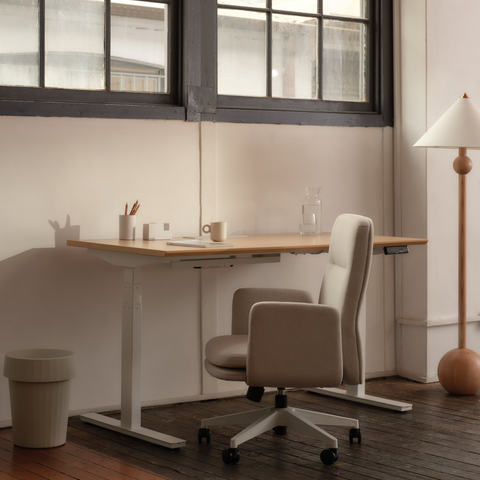
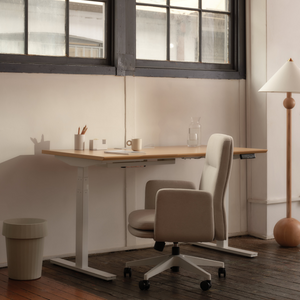
The Ergo Lounge is a proper armchair shape on silent PU casters, so it rolls between a breakout corner and a window without scuffing floorboards or snagging carpet. It has 3 adjustments: seat height (42cm to 50cm), a backrest tilt lock, and tilt tension you can dial in to your weight. It's rated to 130kg, wrapped in a durable polyester fabric, and 95% of its materials are recyclable at end of life.
Be clear about what it's for. There's no built-in lumbar support, and Recess doesn't claim otherwise: the Ergo Lounge is built for a relaxed, reclined position rather than upright task work. Use it as a second seat alongside a task chair in a breakout zone, reading nook or spare corner, and keep the Ergo Chair or Ergo Pro 2.0 at the desk.

Office chair categories at a glance: price bands and sizing
Rough guide for an Australian buyer, based on what's typically available across office furniture retailers:
- Visitor and stacking chairs: roughly $80 to $250. Minimal adjustment, easy storage.
- Meeting and conference chairs: $150 to $450, depending on stacking mechanism and upholstery.
- Task chairs: $250 to $700 for a genuinely adjustable chair. Both the Ergo Chair and Ergo Pro 2.0 sit inside this band, and this is where most of your team's daily seating budget should go.
- Lounge chairs: $350 to $1,200, depending on frame and textile. The Ergo Lounge sits at the lower end.
- Executive chairs: $500 to $1,500+, especially leather office chairs with big and tall frame options.
If you're kitting out a whole office rather than one desk, our chairs collection is organised by exactly these categories, so you're not guessing which page you need.
Choosing the right office chair for your role and body
According to WorkSafe Queensland, 81% of Australian workers report some sitting at work, and 50% say they sit often or all the time. So start with 2 questions: how many hours a day will someone actually sit in this chair, and what does their body need from it.
Height is the part most buyers skip. A chair that doesn't adjust to your leg length puts pressure on the back of your thighs and throws your pelvis out of neutral, which drags your lower back out of alignment with it. Lumbar support does the rest of the work: it's the difference between finishing the day upright and finishing it hunched. A Herman Miller Aeron is a decent reference point for what proper adjustability feels like, with seat height, seat depth, armrest width and lumbar dial-in all moving independently of each other. You don't need to spend Aeron money to get that, but you do need to check if a chair actually has it.
Then check those ranges against the people who'll use them. Big and tall chairs exist because a standard-width seat pan and a low weight rating don't work for a large share of the population. If you're buying for a team, don't assume one seat height range or one weight rating covers everyone at the desk.
A quick glossary of common types
A few terms worth knowing before you shop:
- Drafting chairs: taller task chairs built for standing desks or raised work surfaces.
- Kneeling chairs: shift weight forward onto the shins, useful for short stretches, not all-day use.
- Computer chairs: a catch-all term, usually meaning a basic task chair.
- Traditional office chairs: the older leather-and-tilt-mechanism style, still common in executive setups.
- Regular office chairs: standard task or meeting chairs without specialist features.
None of these are wrong choices. They're just built for a narrower use case than a genuine ergonomic chair meant for long hours.
How Recess pairs chairs with the rest of your setup
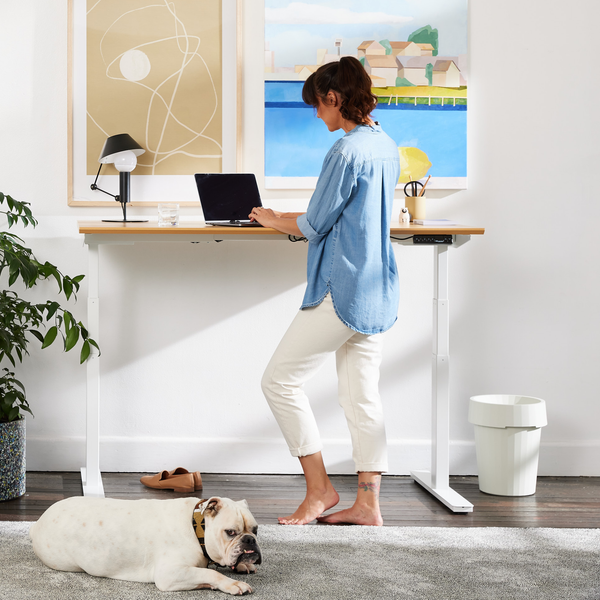
A chair doesn't do its job in isolation. Seat height needs to match desk height, armrest height needs to clear the underside of the desktop, and if you're using a standing desk, your chair needs to keep working at both sitting and standing positions. That last point is why the Ergo Pro 2.0's 56cm top seat height matters more than it sounds.
According to the Australian Bureau of Statistics' August 2025 data, 36% of employed Australians usually worked from home, which makes the home office a bigger part of everyday work than it used to be. Pairing logic between desk and chair matters more now: your home office has to work as hard as any office, without a facilities team fixing your posture for you.
If you're setting up a single desk, our guide on the best office chair for working from home goes deeper into that specific pairing. If you're furnishing more than one desk, browse the full chairs collection to compare task, lounge and everything in between.
FAQs on types of office chairs
What's the difference between a task chair and a standard office chair?
A standard office chair is really just a generic task chair. The term "task chair" specifically means one built for long hours of focused desk work, with proper lumbar support and adjustable height.
Not every desk chair labelled "office" meets that bar.
Do I need a different chair for a standing desk?
Not necessarily a different category, but you do need a chair with a wider height adjustment range. If your standing desk sits higher than a standard desk when lowered, check the chair's seat height range covers it.
Are gaming chairs a good substitute for an ergonomic office chair?
Some gaming chairs have genuine ergonomic features (bucket seats, headrests), but most are built for a different sitting posture than office work needs. For daily desk use, a proper ergonomic office chair, like the Ergo Chair or Ergo Pro 2.0, will do more for your back over a full working week.
What's the best office chair for a shared home office and meeting space?
If one room does double duty, go for a task chair at the desk and a stacking or foldable option for extra seating, rather than trying to make one chair do both jobs. There's rarely a single perfect office chair that covers focused work and casual meetings equally well.
Whichever type of chair you're shopping for, start with the job it needs to do, not the price tag or the photo. Get that right and the rest of the decision gets a lot easier. Browse the Recess chairs collection to compare task, lounge and everything in between, or take the 60-second quiz if you want a starting point.
Ready to upgrade your workspace?
Got questions about the right setup? Chat with the Recess team, we're here to help you get the setup right.
Author Bio

Will Tungusov is the founder of Recess, a Sydney-based sustainable office furniture startup transforming hybrid workplaces across Australia. Since launching in 2019, Will has led Recess from creating the award-winning Nook soundproof booth to offering a complete range of ergonomic, eco-friendly office solutions. With a focus on eliminating middlemen and prioritising sustainability, Recess has served notable high-growth Australian startups, including Eucalyptus, Lorikeet, Instant One and Tracksuit. Will is passionate about building beautiful, functional workspaces that "don't cost the earth," both environmentally and financially.