








You think picking an office chair will be easy. You check a whole bunch of catalogues, and you start comparing options. Suddenly, you're drowning in features, looking at prices that are all over the map, and what should've been a quick decision ends up eating your whole afternoon.
This guide cuts through all that. We're sticking to what actually matters when you're sitting in that chair eight hours a day: how it supports your body, what you can adjust, whether it fits you properly, and how you actually work. If you're shopping for a chair and desk at the same time (smart move when you're setting up a new workspace or outfitting your team), we've got you covered there, too.
By the time you're done reading, you'll know exactly which chair to pick.
Office Chair Buying Guide: Quick Checklist
Before getting into the details, here is a summary of the things that matter most:
- Workday length shapes the support you need: longer days call for a stronger ergonomic design
- Adjustability is what makes a chair truly fit: fixed positions rarely work well for everybody
- Body size and posture affect how a chair performs: fit carries just as much weight as features
- The right features depend on how you work: lumbar support, seat height, and armrests have more daily impact than most buyers expect
- Teams need flexibility and durability: in shared environments, adaptability matters far more than aesthetics
- Some buyers benefit most from a full workspace setup: pairing a chair with a desk can simplify the entire decision
Not sure where you land on any of these? Take our quiz. Answer a few quick questions about how you work, and we'll point you to the right chair.
How To Choose An Office Chair Based On How You Work
People use their work area in different ways. Some are constantly on the move, while others need to stay seated for long periods of deep work. Whichever it is, each pattern places different demands on a chair, and knowing which one applies to you makes deciding on a good fit much easier.
The World Health Organization has published a good amount of research on the effects of prolonged sitting on our health and well-being. This is a helpful reminder that chair support is not only about feeling comfortable during one or two hours of sitting, but also about how you and the chair hold up the entire day, working together.
For a quick session, most chairs will do the job. But, for longer ones, you need a chair that’s built for the long haul, with adjustments that allow you to customise it to your own quirks and movements.
Consider Where the Chair Will Be Used
A home office and a shared workplace come with very different sets of needs.
At home, the obvious thing to consider is personal comfort and how well the chair fits into your daily work routine. In a shared office, though, it needs to be able to suit different people with different builds and sitting habits, which means adjustability is far more important than personal preference.
Thinking about these things leads to better long-term decisions.
Match the Chair to Daily Work Patterns
A practical way to narrow down the options:
-
Short work sessions: basic lumbar support and seat height adjustment are usually sufficient
-
Standard workdays: adjustable armrests and back support make a real difference across several hours
-
Long focus sessions: a full ergonomic adjustment range keeps comfort going well into the day
-
Shared environments: broad adjustability means the chair works well for different people without needing constant adjustments
Office Chair Ergonomics: Comfort, Support, and Adjustability
Ergonomics is a feature slapped on almost all kinds of chairs on the market nowadays. The good news is that there is a reliable way to identify the ones that truly deliver on it. A chair that can be shaped around the person sitting in it will support the body better than one built around a fixed position. Adjustability is the real differentiating factor.
OSHA confirms that a properly adjusted chair supports the back and lower body during seated work and helps reduce the kinds of awkward postures that develop gradually over a long day. This makes adjustability the most practical thing to focus on when comparing options.
Four adjustments tend to make the biggest difference in everyday comfort:
-
Seat height: positions feet flat on the floor with knees sitting at a natural, relaxed angle
-
Lumbar support: keeps the lower back in its natural curve through long sitting periods
-
Armrests: take unnecessary tension out of shoulders and arms during typing and mouse use
-
Tilt and recline: gives the body room to shift position naturally throughout the day
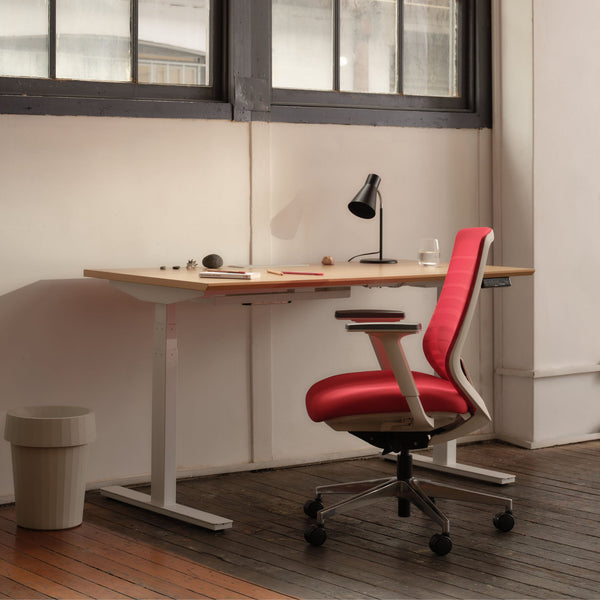
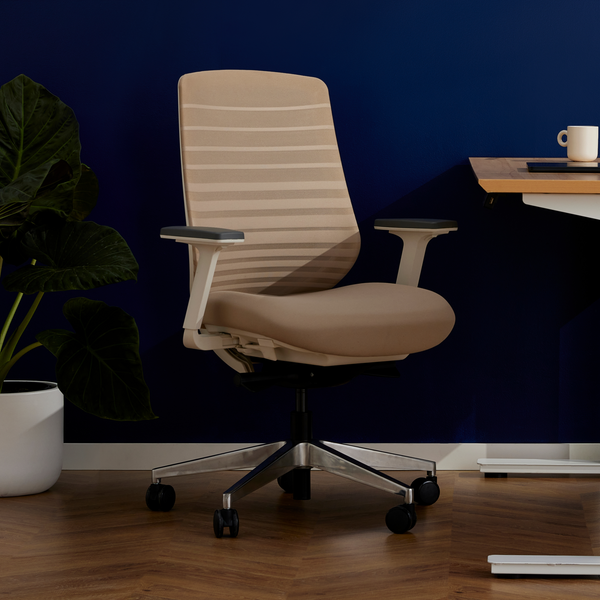
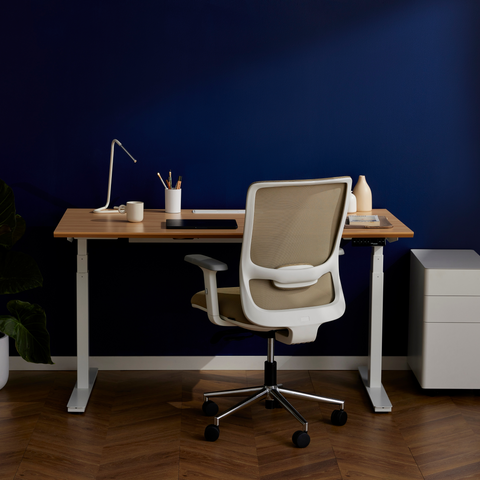
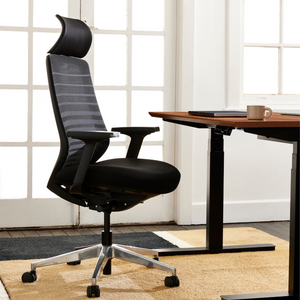
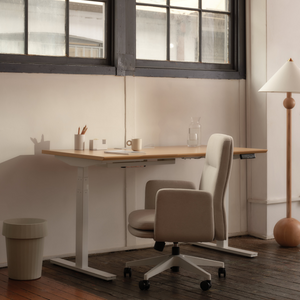
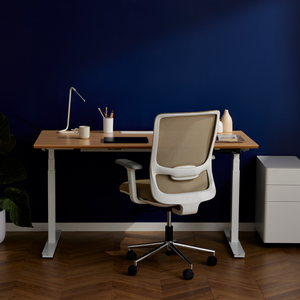
A chair that has these adjustability features will help you maintain better posture and keep you comfortable longer. The Ergo Pro 2.0 is a great example of a well-built ergonomic chair with practical adjustability features that’s designed for everyday use.
How To Choose An Office Chair For Long Workdays
When buying a chair, you also need to consider how long you will sit on it in a day. A seat that’s comfortable during a short call might feel a bit different after five or six hours of continuous use. Keeping that reality in mind helps you pick a suitable option.
Match the Chair to Daily Use
-
Occasional desk use: a non-configurable chair is fine for short periods of use
-
Standard workdays: simple ergonomic adjustments make it easier to stay comfortable for many hours
-
Extended workdays: a wider range of adjustability and stronger support make a big difference and go a long way
Look for Support That Holds Up
Comfort in the first hour is relatively easy to achieve. The real goal is staying well-supported through the second, third, and fourth hours, too.
These are the features to go after for extended work hours:
-
Adjustable back support that can be changed depending on the level of work
-
Armrests that hold shoulders in a relaxed position during sustained focus work
-
Breathable materials that help manage heat buildup during longer sessions
-
Tilt or recline movement that lets the body shift without getting up
Think About Team Setups And Workspace Bundles
If you’re planning for a team, you must also keep in mind how long people are going to use it. Every role has its own sitting pattern, and chairs built for long hours make it easier to keep your team members comfortable throughout the day.
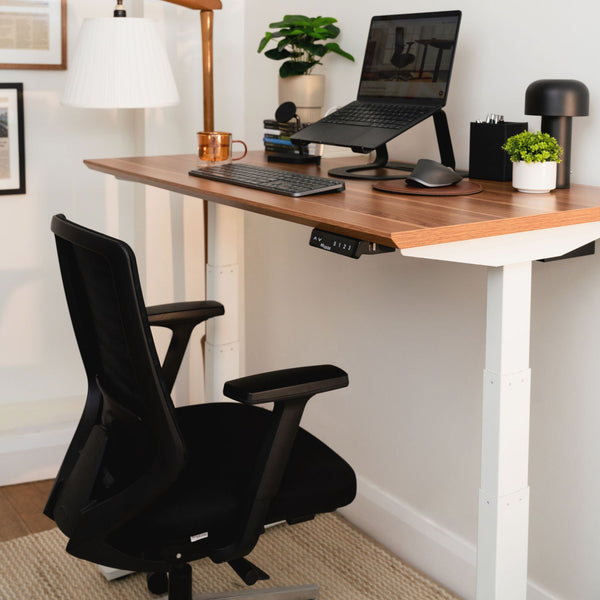
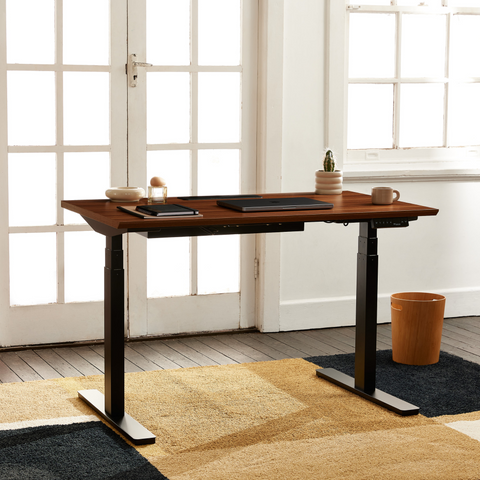
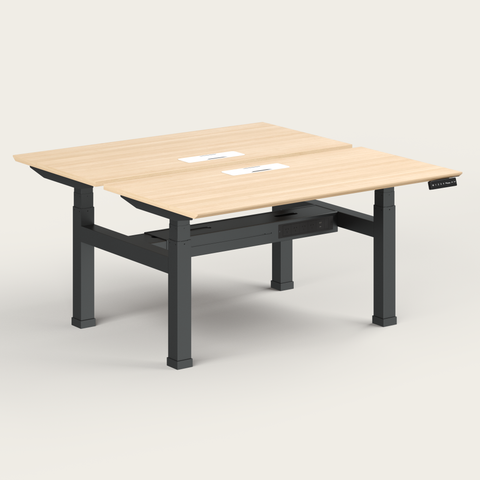
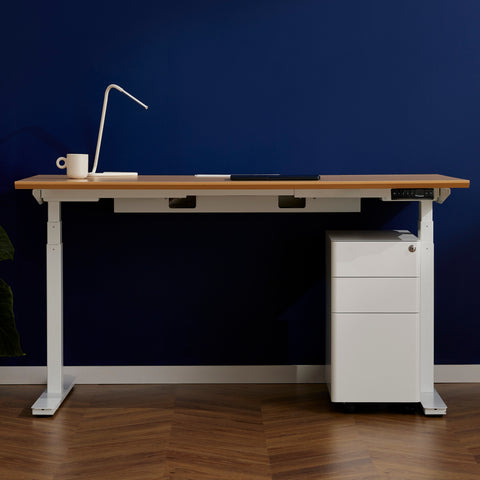
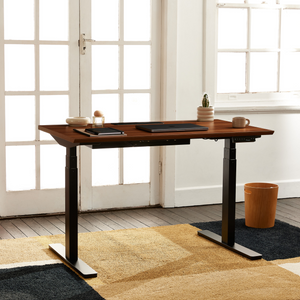
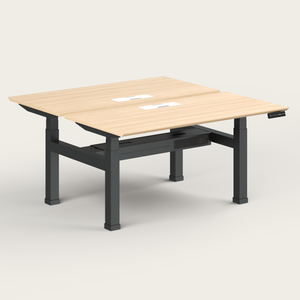
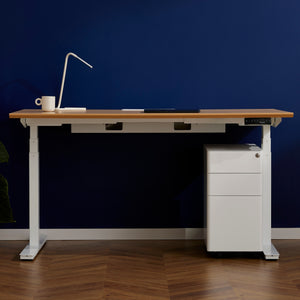
It’s also worth thinking beyond just the chair. Buying a chair and desk together as a bundle simplifies the setup process, especially when setting up multiple workstations at once. The Ergo Pro Bundle pairs an ergonomic chair with a standing desk and is a strong example of how that kind of coordinated approach works in practice.
Workspace bundles tend to deliver:
-
Consistent ergonomics: chair and desk heights are designed to complement each other
-
Faster setup: rolling out multiple workstations becomes significantly more straightforward
-
Better overall value: bundles are typically priced more favourably than buying each piece separately
How To Choose An Office Chair That Fits Your Body
A chair that looks great on paper might still feel not quite right the moment you sit in it. That comes down to fit. Body size, height, and natural posture all contribute to how a chair fits for a specific person.
Getting the fit right supports natural posture and makes staying comfortable through the day far less of an effort.
Start With the Main Fit Points
The dimensions that make the most meaningful difference:
-
Seat depth: determines how comfortably the thighs rest across the seat surface
-
Back height: affects how well the chair supports the upper back throughout the day
-
Armrest position: shapes shoulder and arm comfort during desk work
-
Weight capacity: confirms the chair can provide stable, reliable support
Look for a Chair That Adjusts With You
You'll get way more comfort from a chair you can tweak and adjust than from something that's locked into place.
A chair that lets you fiddle with the height, tilt, and armrests? That's going to work for way more people than one that’s designed for just one body type.
Maybe you're tall and your coworker's petite. You both need that same chair to feel good, right?
Keep Comfort Practical
You know you have the right chair when you sit down, and you’re not awkwardly squirming trying to get yourself comfortable. The desk is easy to reach. You’re not hunching or overextending in a weird way. You can move around, lean back, scoot forward, whatever you need to do. A chair that delivers all of that makes it really easy to stay focused and comfortable well into the afternoon, not just through the first part of the morning.
Office Chair Features That Actually Improve Comfort
Chair shopping tends to involve long feature lists. In practice, most of those features have little bearing on how a chair actually performs during a normal working day. A smaller set of well-chosen adjustments will do far more for everyday comfort than a long inventory of cosmetic additions.
The features worth prioritising are:
-
Adjustable lumbar support: holds the lower back in a comfortable, supported position through longer sitting periods
-
Seat height adjustment: keeps the body, chair, and desk properly aligned throughout the day
-
Adjustable armrests: steadily reduce the tension that builds in the shoulders and neck during desk work
-
Stable base and smooth casters: make natural, quiet movement around the workspace feel effortless
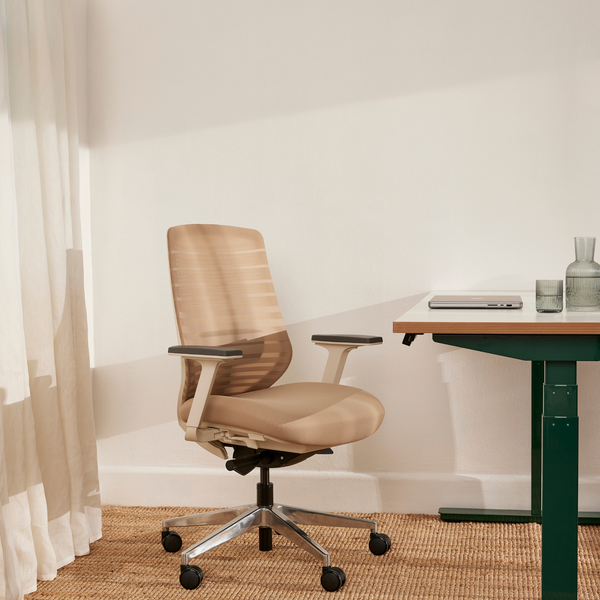
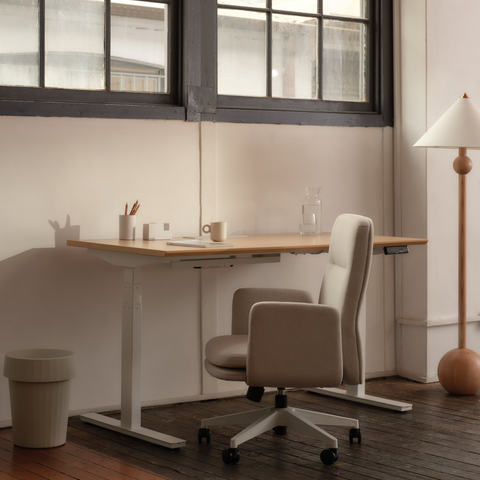
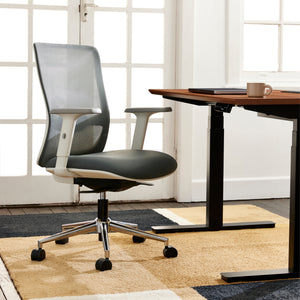
The Everyday Chair brings these features together in a way that is practical, comfortable, and refreshingly easy to use without unnecessary complexity.
Certain buyers will find extra features worthwhile depending on how and where they work.
Features some buyers find genuinely useful are:
-
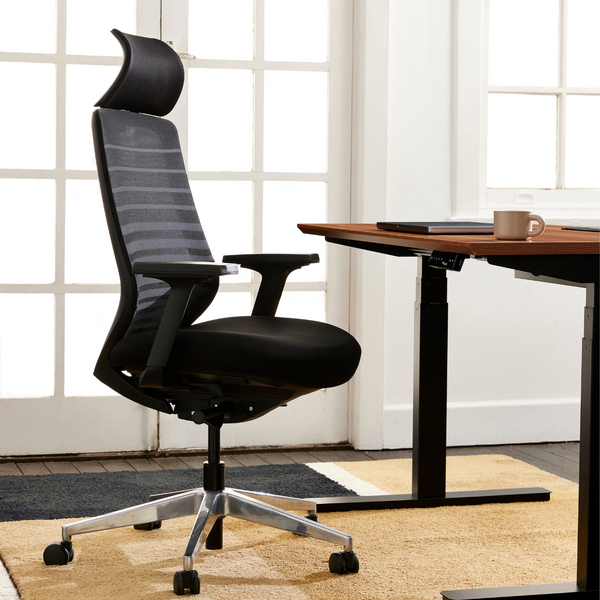
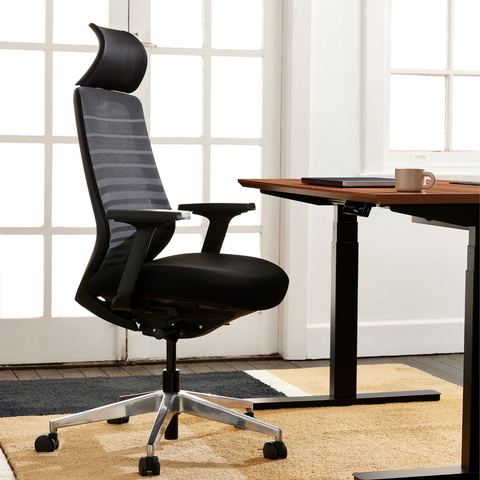
Headrests for added neck support during longer sessions
-
Advanced tilt mechanisms for greater flexibility in recline movement
-
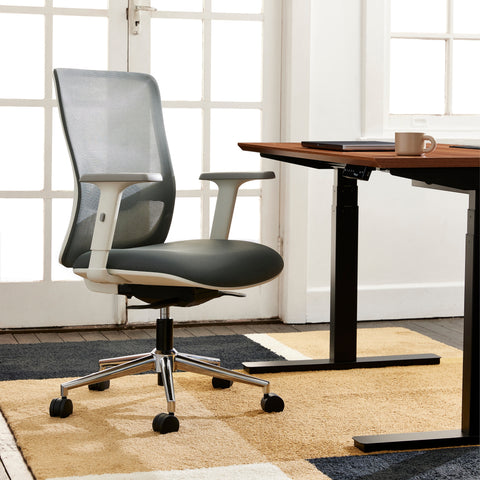
Breathable mesh for improved airflow on warmer workdays
-
Quiet or scratch-resistant casters for shared spaces or hard floors
Choosing features based on real work habits consistently leads to a better long-term experience than selecting ones that sound impressive but rarely get used.
Office Chair Buying Guide: Budget vs Long-Term Value
Most of us would like to get the most bang out of our bucks, especially when we’re on a budget, so the price tag is a natural consideration. The more useful question, though, is not what a chair costs today but how well it holds up over time. Whether it'll still be comfortable after you've been sitting in it every day for years is a major deciding factor.
Entry-level chairs cover the basics well enough for light or occasional use. Moving up in price typically brings a wider range of adjustments, stronger materials, and ergonomic support that performs consistently rather than fading after a few months.
What tends to improve at higher price points:
-
A broader ergonomic adjustment range that fits more body types properly
-
Lumbar support systems that stay effective even after years of regular use
-
Materials chosen for durability rather than appearance alone
-
Stability that holds up during recline and movement throughout the day
For offices and teams, the value calculation extends further. How simple the chair is to maintain, how well it fits different users, and how many years it lasts before needing replacement all factor into the real cost over time. A chair that returns your investment every day in comfort for five or six years is almost always the stronger choice.
Should You Buy an Office Chair on Its Own or as Part of a Workspace Setup?
There’s no one-size-fits-all here, and the better choice depends on what you’re working with.
When an existing desk and workspace layout already supports a comfortable, healthy posture, sometimes all you need is the right chair to complete the picture.
If you're starting from scratch or setting up multiple workstations, you'll save yourself a ton of headaches by getting a chair and desk that are meant to work together.
The advantages of a coordinated setup:
-
Chair height and desk height work together naturally, rather than needing to be figured out separately
-
Fewer individual decisions to make means the process moves faster and with less second-guessing
-
Workstation layouts stay consistent across the team, which matters more in shared environments than people often expect
For businesses setting up multiple workstations, coordinating the chair and desk purchase also makes the entire rollout noticeably smoother.
Buying Office Chairs for a Team or Office
Choosing chairs for a team is a different process from choosing one for yourself. When you're buying for yourself, you get to think more about what feels good to you and what you personally like. But when you're the one ordering for the office, you've got to consider everyone, the differences in height, build, work routine, and all those unique sitting quirks we all have.
These are the things that matter most when buying for a team:
-
A wide ergonomic adjustment range that lets people tweak it to varying levels of comfort
-
Durable materials that can hold up against constant use across multiple team members
-
Assembly and setup that is quick and simple
-
A consistent look across workstations that keeps the overall workspace feeling polished and professional
Chairs that adapt easily to different users make shared workspaces noticeably more comfortable and far simpler to manage over time.
Office Chair Buying Guide FAQs
How do I choose the right office chair for work?
Start with how long you sit each day and what level of support that requires. From there, look for adjustable features that let the chair fit your body and your workspace comfortably.
What makes an office chair ergonomic?
An ergonomic chair supports natural posture and includes adjustments for seat height, lumbar support, armrests, and tilt. The adjustability is what delivers real ergonomic value, not just the label.
What is the best office chair if I sit all day?
Chairs designed for long workdays include adjustable lumbar support, flexible tilt mechanisms, and materials that stay comfortable over extended use. The Ergo Pro 2.0 is a strong option for people who spend most of their day at a desk.
Are expensive office chairs worth it?
For people who sit for long hours regularly, yes. Higher-priced chairs typically include stronger ergonomic features and more durable materials that deliver real value over time. For occasional use, a mid-range chair is often a great fit.
How does an ergonomic office chair compare to other options on the market?
The most useful comparison focuses on adjustability, fit, and support rather than brand or price alone. Two chairs carrying the ergonomic label can perform very differently depending on how much they can actually be adjusted.
Ready To Choose The Right Office Chair For Your Workspace?
The decision becomes much clearer when the focus stays on what genuinely matters: comfort, ergonomics, how you work, and how long you sit. Those four things will point toward the right chair far faster than comparing spec lists ever will.
Still weighing your options? Take our quick chair quiz and get a recommendation based on how you actually work.
At Recess, we make it easy to build a workspace that actually works for you, whether that's a single chair for your home office or a full setup for your entire team. Explore our ergonomic chairs and workspace bundles and find your fit.
Author Bio

Will Tungusov is the founder of Recess, a Sydney-based sustainable office furniture startup transforming hybrid workplaces across Australia. Since launching in 2019, Will has led Recess from creating the award-winning Nook soundproof booth to offering a complete range of ergonomic, eco-friendly office solutions. With a focus on eliminating middlemen and prioritising sustainability, Recess has served notable high-growth Australian startups, including Eucalyptus, Lorikeet, Instant One and Tracksuit. Will is passionate about building beautiful, functional workspaces that "don't cost the earth," both environmentally and financially.
Follow Recess: LinkedIn | Facebook | Instagram